

Art therapy in vancouver and BC
Support for emotional expression, self-exploration, and processing experiences that are hard to put into words. Learn to use creativity as a way to better understand yourself, regulate your emotions, and find new ways of relating to your inner world.
What is art therapy?
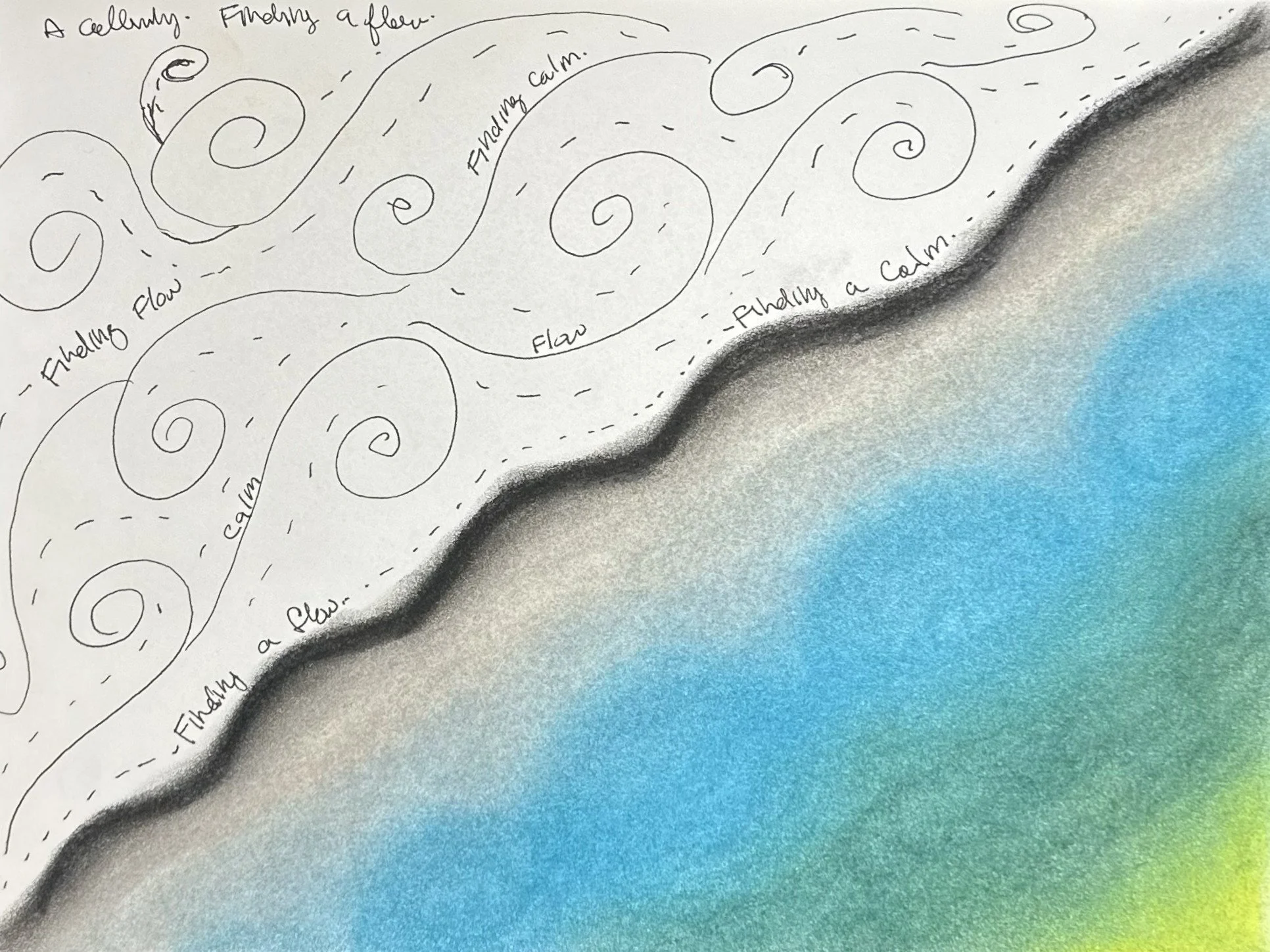
Art therapy is a therapeutic approach that uses creativity as a way to explore thoughts, emotions, and experiences that can be difficult to express with words alone. Through drawing, painting, or other forms of visual expression, internal experiences take shape in a way that feels more accessible and less overwhelming.
Art therapy is not only making art but also involves aspects of talk therapy to engage both the mind and the body. Creative expression can help slow down racing thoughts, support emotional regulation, and create distance from intense experiences so they can be explored more safely.
What happens during art therapy?
Sessions include a mix of conversation and guided creative expression using materials like drawing or painting. You can move at your own pace, using the process to explore thoughts and emotions in a way that feels natural and manageable. The art therapist supports gentle reflection on the experience, helping you make sense of what emerges in a way that feels clear and manageable.
No previous art experience is necessary as art therapy is about using the process itself as a way to understand what is happening internally and allows exploration at your own pace to reveal patterns, emotions, and memories that might not surface through conversation alone.
What are the benefits of art therapy?
Emotional Expression Without Words
Helps you access and express feelings that are difficult to articulate.
Creates a Safe Space for Self-Expression
Offers a non-verbal way to express thoughts and emotions in a space that feels contained and supportive.
Reduces Stress and Overwhelm
The creative process can calm the nervous system and lower emotional intensity.
Support for Emotional Regulation
Creates space to process feelings safely rather than becoming overwhelmed by them.
Greater Sense of Clarity
Externalizing experiences through art make them easier to understand and work through.
Accessible and Flexible
Works well for people who feel stuck in talk therapy or find it hard to put things into words.
Expression & Emotional Processing
Some experiences are hard to put into words. Art therapy allows for a different way to express and process difficult emotions through imagery, colour, and form. This helps bring clarity to feelings that feel confusing, intense, or stuck.
How we help: Our approach to art therapy
Regulation Through Creativity
The creative process can be grounding and regulating for the body. Engaging in art-making helps slow down mental overwhelm, reduce stress responses, and create a sense of calm, supporting emotional balance and making it easier to stay present with your experience.
Our Therapeutic Approach
Art therapy is integrated with a trauma-informed, client-centred approach. We focus on creating a safe, non-judgmental space where you can explore at your own pace. The process is not about artistic skill, but about using creativity as a tool for insight, emotional regulation, and change.
Meet Sydne: Our art therapist
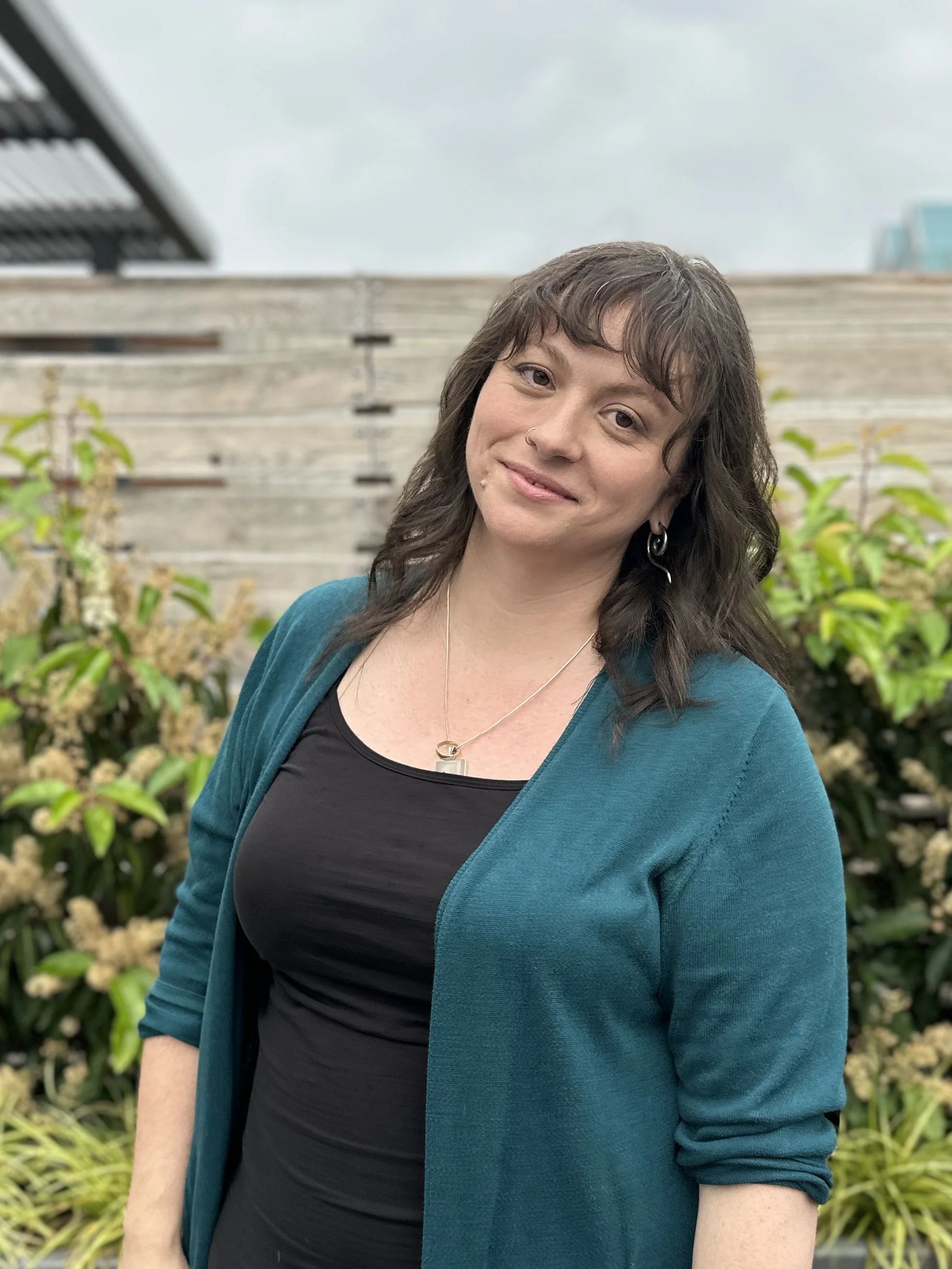
Sydne Smith, MCPAT, RCC
Associate Counsellor
Sydne is a Registered Clinical Counsellor (RCC) and Professional Art Therapist. She uses art therapy in her practice not as a separate modality but in conjunction with conversation to support the therapeutic process.
She believes that humans are innately creative beings, and creative expression, which comes in many forms, can deepen healing, foster resilience, and support meaningful growth, change, and wellbeing. The goal is not to create a “good” piece of art, but to use the creative process as a way to externalize and explore thoughts, emotions and experiences, express what words cannot, support insight and change with embodied learning, and may be used in grounding and mindfulness practices, to fidget during sessions, and to support processing and integrating trauma.
Book a free 20 minute consultation
Interested in finding out more? We offer all new clients a free introductory call directly with Sydne and with no obligations.

Frequently Asked Questions (FAQ) about art therapy
-
No. Art therapy is not about skill, talent, or creating something that looks good. The focus is on the process, not the outcome. Simple shapes, colours, or even abstract marks can be enough to express something meaningful.
-
Art therapy adds another layer to the process. Some experiences are difficult to access or explain with words alone. Using creative expression can help surface emotions, patterns, or memories in a way that feels safer and more manageable.
-
Art therapy can support a wide range of concerns, including anxiety, trauma, stress, burnout, grief, emotional overwhelm, and self-esteem. It is especially helpful for people who feel stuck in their thoughts or disconnected from their emotions.
-
There is a growing body of research supporting art therapy across different populations and concerns. It is used in clinical settings such as hospitals, mental health clinics, and trauma treatment programs as a complementary therapeutic approach.
-
Art therapy costs the same as any other form of counselling and is typically re-imbursed by extended health benefits in BC.
Counselling with an associate is $160 dollars for a 50 minute session.
We recommend first checking with your benefits provided to ensure that working with a Registered Clinical Counsellor is covered under your plan.
